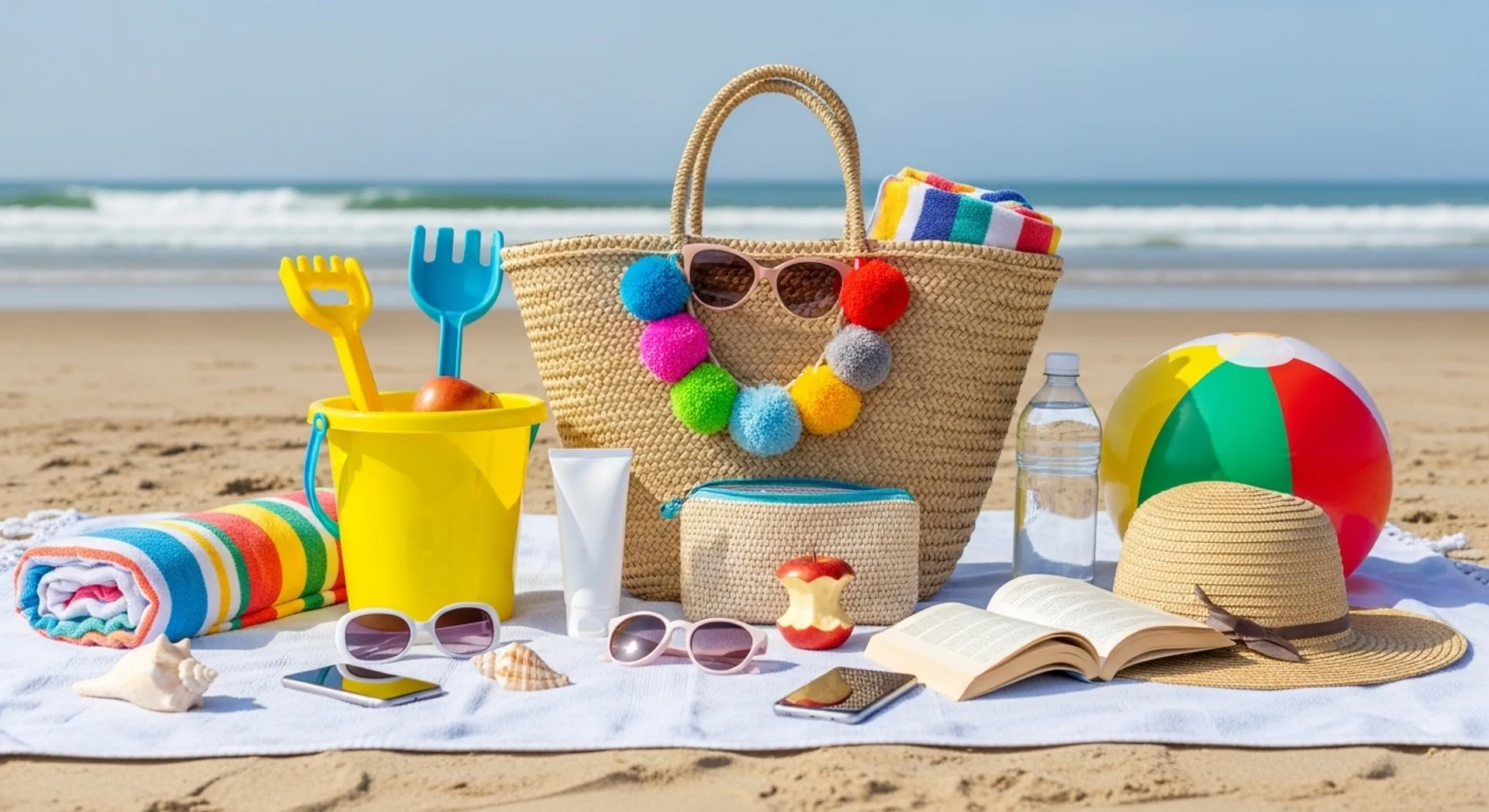
Why Beach Safety Matters for Kids
Spending time at the shore is one of the greatest joys of family life. But without proper preparation and awareness, beach outings can also lead to preventable injuries or stress. This guide gives you practical, mom‑tested tips to keep your kids safe under the sun and near the water.
Whether you’re planning a fun day of sandcastle building or a more active day in the surf, understanding basic beach safety for kids is key to having a stress-free and enjoyable time. From protecting delicate skin to keeping an eye on water safety, this guide will help you prevent accidents, ensuring that everyone can enjoy their day at the beach.
Before You Head Out: Essential Prep
Preparation is key to ensuring that your family enjoys a fun and safe day at the beach. A little advance planning can make a world of difference when it comes to keeping your kids protected from sunburns, dehydration, and water-related accidents.
1. Sun Protection Comes First
 The sun can be extremely harsh, especially near the coast, where the reflection off the water can amplify its effects. Make sun protection a priority for your kids to avoid burns and long-term damage. Apply broad‑spectrum SPF 30+ sunscreen at least 15 minutes before sun exposure, and reapply every two hours, particularly after swimming or sweating. Choose a sunscreen that’s labeled as “water-resistant” to ensure it stays on longer, even after a dip in the ocean.
For the best protection, opt for mineral-based sunscreens that contain ingredients like zinc oxide and titanium dioxide. These ingredients form a physical barrier on the skin, blocking harmful UV rays more effectively. Remember to protect areas that kids often forget to cover, like the ears, backs of hands, and the bottoms of their feet.
2. Hydration and Snacks
Staying hydrated is essential for a successful day at the beach. The hot sun, combined with physical activity, can easily lead to dehydration. Be sure to bring enough water to keep everyone hydrated. Pack a cooler or insulated bottles that keep your drinks cold for longer.
Along with water, bring hydrating snacks such as watermelon, grapes, or cucumbers to help replenish fluids. These are light, refreshing, and packed with water. Avoid sugary drinks and snacks that can contribute to dehydration and energy crashes.
3. Gear for Water Safety
Water safety is one of the most important aspects of beach trips, especially if your kids enjoy swimming or wading in the ocean. Before heading into the water, make sure to bring life jackets or flotation devices that are Coast Guard-approved and sized correctly for each child. These are essential even in shallow water where currents can be unexpectedly strong.
For younger children, consider using inflatable floaties or swim vests that provide extra buoyancy. Make sure they fit snugly and comfortably, allowing for both mobility and safety.
On the Beach: Staying Aware and Connected
Once you’ve set up your spot on the sand, it’s crucial to stay alert and maintain clear communication with your kids. This includes checking in with them regularly and making sure they know what to do in case of an emergency. Kids, especially younger ones, can get distracted or wander off, so it’s important to have a system in place to keep them safe.
4. Set a Family Meeting Spot
 Designate a clear meeting spot that kids can easily locate if they get lost. Pick a visible landmark, such as a lifeguard tower, a brightly colored umbrella, or a distinct rock formation. Make sure your kids know where the spot is and encourage them to head there if they become separated from you.
Teach them the importance of staying within eyesight at all times, especially in crowded areas where it’s easy to lose track of them. If they wander off, they’ll know exactly where to find you, making it easier to reunite.
5. Water Rules for Every Kid
It’s crucial that your kids understand the rules of water safety before heading into the surf. Setting clear water rules helps avoid dangerous situations and keeps kids safe as they play in the water. Here’s a quick list to help you establish safe swimming habits:
- Never swim alone — always have an adult nearby or swim with a buddy.
- Stay within designated swimming areas, and never venture too far from shore.
- Avoid diving into unknown waters, as submerged objects or rocks could cause injury.
- Establish clear hand signals or verbal calls to communicate with your child while they’re in the water.
6. Watch for Rip Currents
Rip currents are powerful channels of water that pull swimmers out to sea. These currents are common in many coastal areas, making it essential for families to recognize the signs of a rip current. Teach your kids to identify rip currents and how to react if caught in one. If you or your child is caught in a rip current, it’s important to remain calm, float on your back, and swim parallel to the shore until free of the current. Don’t attempt to fight the current directly.
Stay in areas monitored by lifeguards, and make sure to educate your kids about the importance of swimming near lifeguard stations. Lifeguards are trained to spot rip currents and will be able to assist in an emergency.
Health & First Aid: Be Ready for Anything
Despite your best precautions, injuries can still occur while at the beach. Having a well-stocked first aid kit on hand can help you deal with minor injuries right away and prevent them from becoming worse.
7. Quick Fixes for Minor Injuries
A small first aid kit should include essentials like band-aids, antiseptic wipes, burn cream (for sunburns), aloe vera gel, and tweezers for removing sand from small cuts. It’s also a good idea to include some pain relievers, such as ibuprofen or acetaminophen, in case of headaches or discomfort.
Teach your kids basic first aid skills, like how to clean a scrape or apply a band-aid. This gives them the confidence to handle minor injuries independently, and it also helps them remain calm in case of an emergency.
8. Sand-Safety Habits
While sand might seem harmless, it can cause serious injuries if not handled with care. Kids love to dig in the sand, but remind them not to bury their feet deeply, especially on hot days when the sand can become scorching. Sand can also contain small debris, such as broken shells or glass, that could lead to cuts.
If you plan to sit in the sand, always use a beach towel or mat to create a barrier between your skin and the hot ground. For extra protection, consider wearing water shoes to avoid stepping on sharp objects hidden beneath the surface.
Ending Your Day Safely
As the day winds down, it’s important to remain vigilant about safety until you’re back at your car. A relaxed attitude might make you overlook potential risks, but by sticking to safety routines, you’ll be able to enjoy the day without worry.
9. Rest in Shaded Areas
Heat exposure can quickly add up, especially if you’re sitting directly under the sun for an extended period of time. Always make time for shaded rest breaks, either under an umbrella, pop-up tent, or a large beach umbrella. It’s also a good idea to have a portable fan to help cool down during the hottest parts of the day.
When kids start to feel overheated or cranky, it might be a sign they need a break. Resting in the shade for a while helps prevent heatstroke and gives everyone time to relax before heading home.
10. Reflect and Debrief with Your Child
Once the day is over, it’s a great time to talk about what went well and what could have been handled better. Ask your child how they felt about their experience at the beach and if there were any moments when they felt uncomfortable or scared. This will help them build awareness of safety practices and give them the tools they need to stay safe in the future.
Conclusion: Safe Days Make Lasting Memories
Beach days create some of the most cherished family memories. With intentional safety strategies like packing smart, setting expectations, and staying vigilant around the water, you give your kids joyful experiences and peace of mind. Remember, beach safety isn’t just about avoiding accidents; it’s about creating positive, stress-free memories with your family.
For more family life tips and seaside inspiration, explore other posts in our Family Life section. Stay safe, have fun, and enjoy every moment spent by the shore!
Don’t forget to check our Mom Life tips for stress‑free outings and Wellness advice to help you thrive all year round. For further beach safety tips, check out this National Safety Council.